
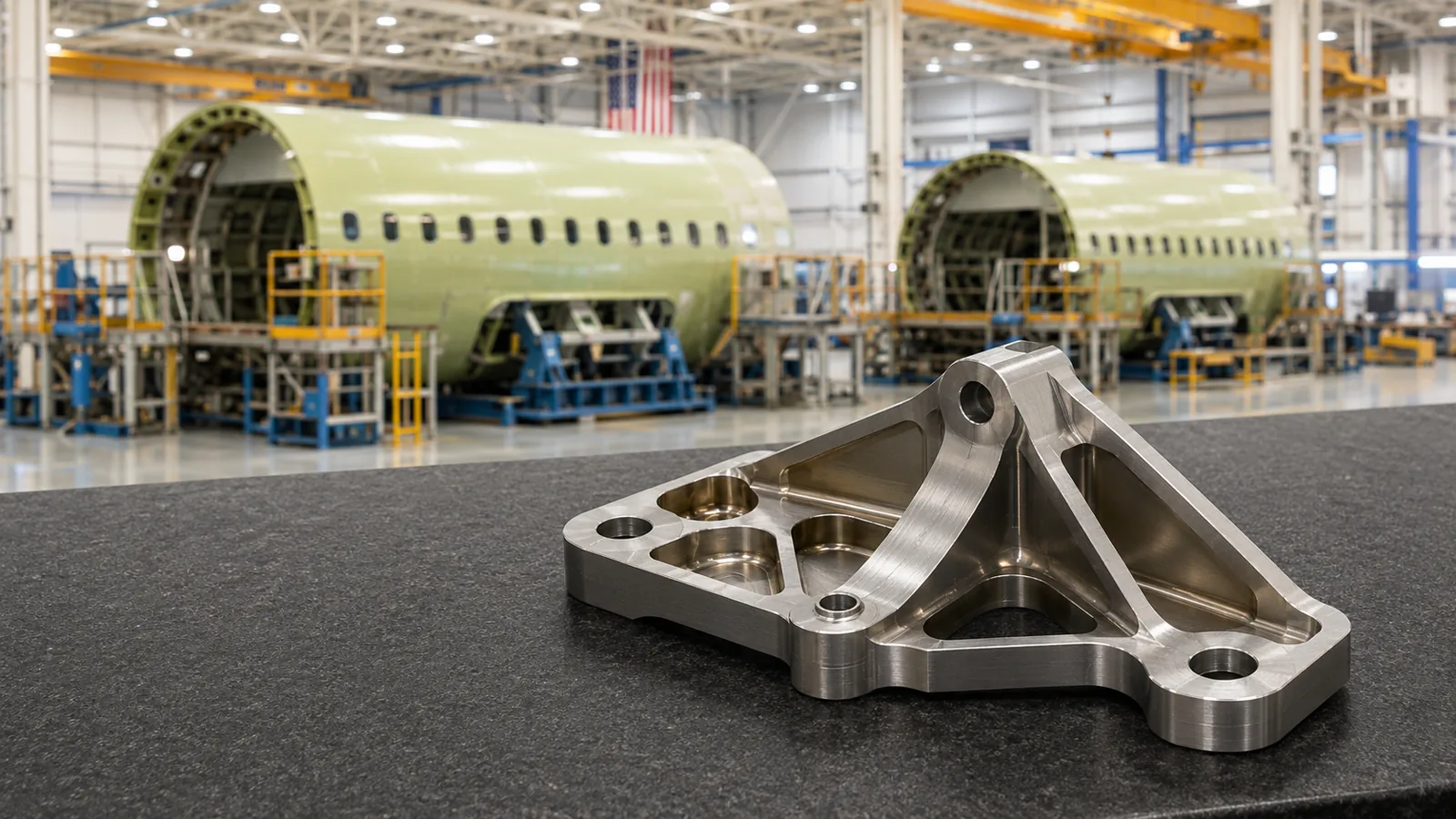
Commercial aviation's order book just hit a record ~16,000 aircraft — over a decade of confirmed demand. The constraint now isn't orders; it's the supply base that turns raw material into flight-ready parts. Here's what that means for where precision components get made.
The backlog is the headline. The supply base is the story.
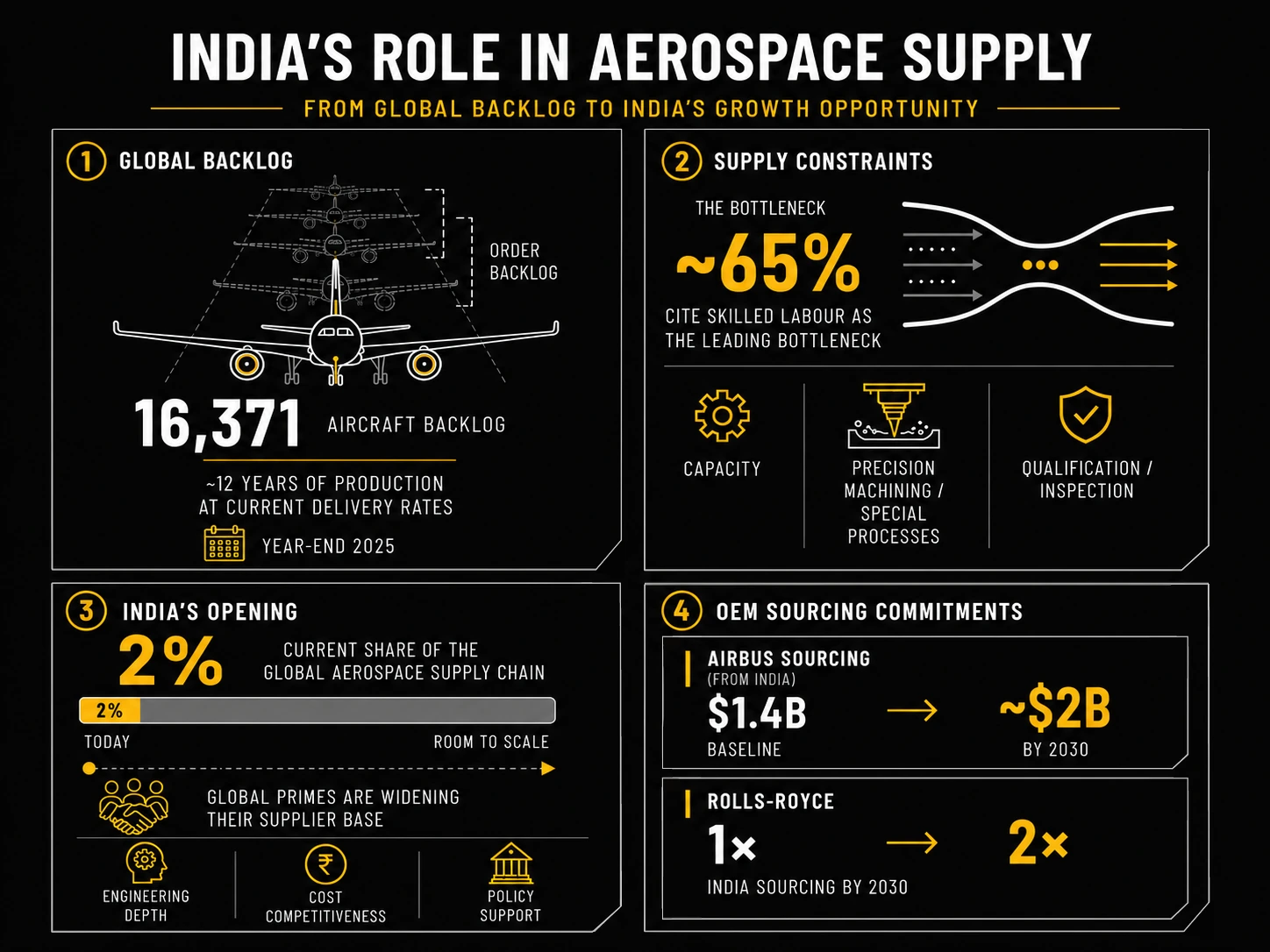
At mid-2025, the combined Airbus and Boeing order book stood at roughly 16,166 commercial aircraft — a record high for the second consecutive year, per Aerospace Global News. By year-end, it had climbed further still, to a record 16,371 — and higher again, past 16,400, on the latest early-2026 figures. At current delivery rates, the backlog represents roughly 12 years of work before the last of those aircraft is built, according to CAPA Centre for Aviation.
Read that again. More than a decade of confirmed demand, already on the books. For an industry that spent much of its history worrying about cycles, cancellations and empty order pipelines, the demand question is — for now — answered.
The question that remains is harder, and quieter: can the industry actually make them?
Where the line actually stops
A modern aircraft is an assembly of millions of parts, and an order book does not become an aircraft until every one of those parts exists — to specification, in sequence, certified. The binding constraint in commercial aerospace today sits in that gap: the supply base that converts raw material into flight-ready hardware.
The constraints are well documented, and they are physical, not financial. In the Roland Berger 2025 aerospace supply chain report, skilled-labour shortages are the single most-cited bottleneck, flagged by roughly 65% of respondents. Behind labour sit the materials and processes: titanium and specialty alloys under geopolitical and capacity pressure; castings and forgings moving through stacked, multi-month queues; and constrained capacity for high-tolerance machined components and special processes — all documented in the same report.
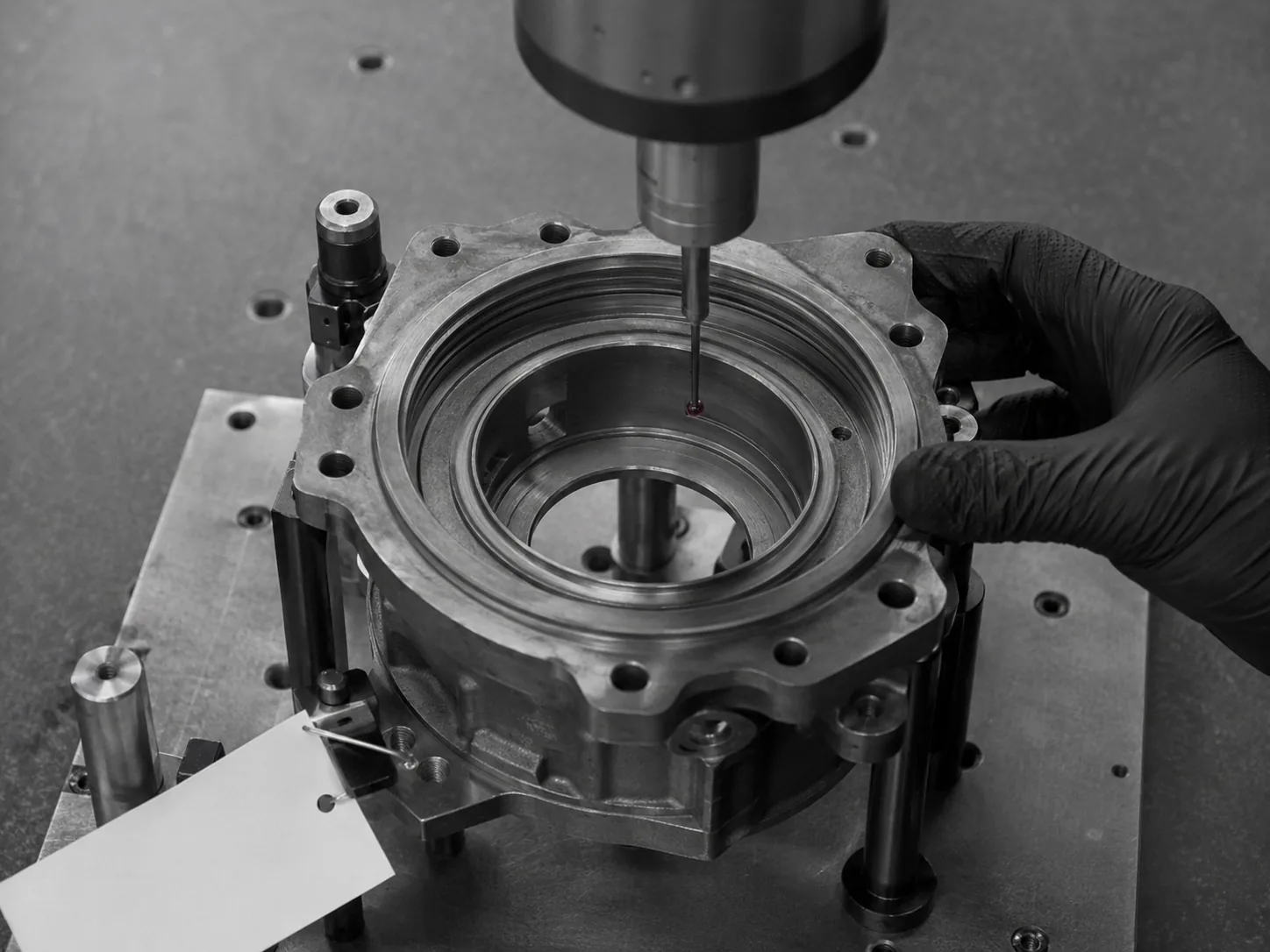
None of these is an abstraction. Each is a hard ceiling on how quickly the backlog converts into deliveries. It is why production ramps keep slipping even as orders pile higher. Demand is no longer the lever. The lever is capacity — the ability to machine, treat, inspect and certify parts at rate, reliably, for programs that run for decades.
To put the scale in local terms: Aerospace Global News reports that the current order book represents more than 13 years of production, worth up to £269 billion to the UK's aerospace supply chain alone. The order is placed. The making is the open question.
A structural shift, not a temporary squeeze
It would be comfortable to read this as a post-pandemic hangover that time alone will cure. The evidence points the other way.
The backlog grew to a record for a second consecutive year — demand is not easing faster than supply can catch up. Skilled-labour gaps are slow to close by their nature: a new machinist or process engineer typically takes two to three years to reach full productivity. Material and forging capacity is capital-intensive and slow to add. These are not problems that resolve in a quarter.
When a constraint is structural rather than cyclical, the rational response is not to wait it out. It is to widen the base — to qualify more suppliers, in more places, so that no single region or vendor becomes a single point of failure. That is precisely what is now underway.
The supply base is being redrawn
For most of the jet age, the precision components inside Western aircraft came from a short list of countries. That list is lengthening, deliberately, as primes and Tier-1s diversify their sourcing to de-risk against the constraints above.
India is among the clearest beneficiaries of that shift. Per SCW Magazine, Indian aerospace exports rose roughly 224% in the April–January period of 2024–25 against the prior year. Airbus has stated it intends to procure around $2 billion of components and services from India annually by 2030, up from roughly $1.4 billion today; Rolls-Royce has signalled it aims to double its India sourcing within five years. India accounts for only about 2% of the global aerospace supply chain today — but its share is expected to climb significantly over the coming decade as sourcing shifts eastward.
The drivers are not mysterious — a deep engineering workforce, competitive cost, and policy support. But the underlying pull is the one already described: the world needs more places that can make precision parts to aerospace standard, and it needs them now.
Announcing capacity is easy. Holding it is not.
Diversifying a supply base is simple to announce and difficult to execute. Aerospace components are unforgiving: tight tolerances on punishing materials, full traceability from raw stock to finished part, and consistency not on the first article alone but across multi-year production runs.
This is the distinction that separates a press release from a supplier. A shop that can machine one good part is not the same as a shop that can hold tolerance across the batch, across the year, and across the life of the program — with the documentation a regulated buyer requires at every step. The new entrants in the aerospace supply base will be judged on exactly that: not whether they can quote a part, but whether they can deliver it, to print, at rate, every time.
Capacity, in other words, is not a building or a headcount. It is a discipline.
Where we fit
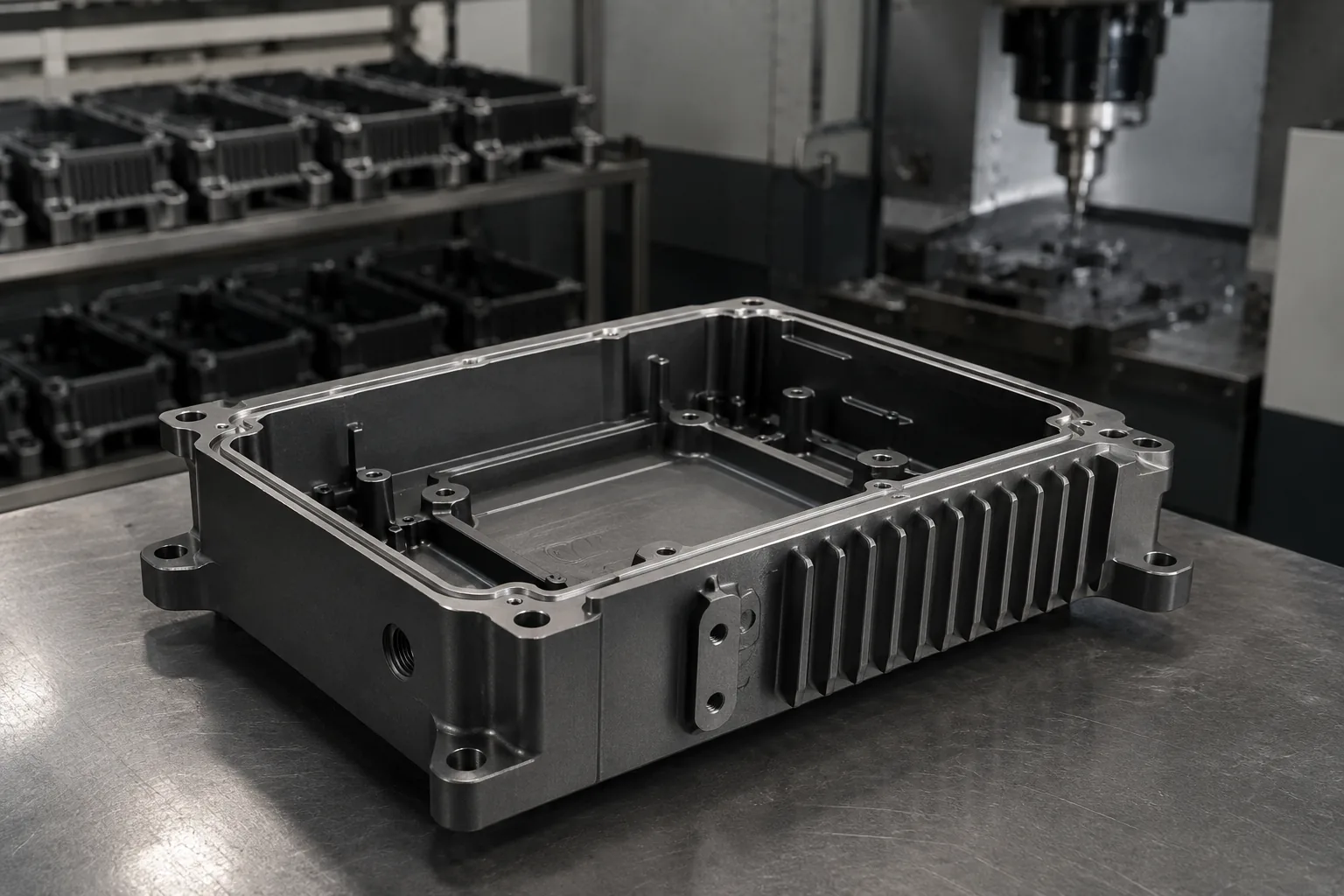
Ethereal Machines is one node in this shift. We deliver precision CNC machining for aerospace from Bengaluru, operating 3-axis and 5-axis CNC platforms — including Aura and NIMBUS — inside a single AS9100D + ISO 9001:2015 certified factory. The reason that matters is not the equipment itself; it is that we treat manufacturing capacity as the thing we are responsible for — scalable, predictable, and held to tolerance across the batch under one quality system. Our work sits in the unglamorous middle of the picture above: turning material into flight-ready parts, on time, at rate, with the documentation discipline a regulated buyer requires.
We do not claim to be the story. The story is the 16,000-aircraft backlog and the decade of making it represents. We are part of the answer to it — and part of a broader, verifiable case that the precision a part demands can increasingly be built in India.
This July, that case is on the floor at the Farnborough International Airshow — ranked among the two largest aerospace shows in the world alongside the Paris Air Show — where the programs come to find the people who can make the parts. You'll find us there from 20–24 July, in Hall 0, Booth 0515 — come and talk to us about your parts.
The demand has never been clearer. The work now is to build to it.
— Ethereal Machines · Bengaluru · July 2026
Sources: Record ~16,166-aircraft backlog (mid-2025), rising to ~16,371 by year-end; "more than 13 years of production, up to £269B to the UK aerospace sector" — Aerospace Global News. Backlog ≈ 12 years at current rates — CAPA Centre for Aviation. Skilled labour the #1 constraint (~65%) — Roland Berger, Aerospace supply chain report 2025. India aerospace exports +224% — SCW Magazine. Airbus ~$2B by 2030 — Business Standard. Rolls-Royce doubling India sourcing — Rolls-Royce. Farnborough & Paris Air Show as the two largest aerospace shows — Wikipedia.
- aerospace
- cnc machining
- supply chain
- made in india
- precision manufacturing
More from the journal.
Have a part that has to perform?
Send your 2D and 3D files. Our engineers review them for manufacturability and get back to you.